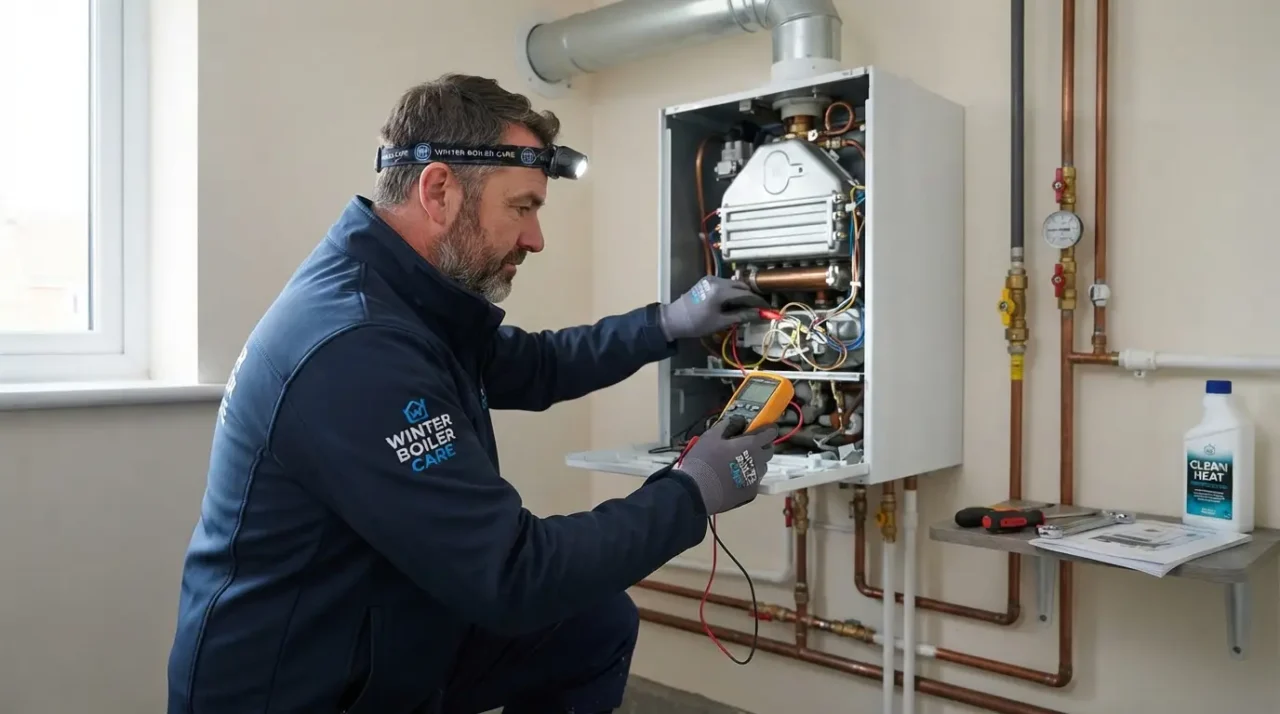
The best way to prepare your boiler for winter is to book an annual service before the cold weather hits, check your boiler pressure regularly, bleed your radiators if they’re cold at the top, and insulate any exposed pipework, especially the condensate pipe. A well maintained boiler is far less likely to break down when you need it most.
Every year, Heating Dynamics sees the same pattern across Glasgow. Boilers that have run quietly all summer suddenly start failing the moment the temperature drops. Most of these breakdowns are avoidable, and a little preparation before winter properly sets in can save you an emergency callout, a cold house, and a repair bill you didn’t plan for.
This guide walks through everything you need to know to keep your boiler running reliably through a Glasgow winter, from the checks you can do yourself to the point where it’s time to bring in a Gas Safe registered engineer.
Why Winter Is Hardest on Glasgow Boilers
Glasgow’s housing stock is part of the problem. Many homes across the city, particularly the sandstone tenements in the West End and Southside, still have pipework running through unheated lofts, external walls, and stairwells. These areas are far more exposed to freezing temperatures than a modern, well insulated new build, which means the same boiler that runs perfectly fine in July can struggle by December.
The other factor is simple demand. A boiler that ticks along gently for a few hours a day in summer suddenly has to work far harder, for far longer, once the heating goes on properly. Any weakness in the system, a slow pressure leak, a build up of sludge, ageing components, tends to show itself under that extra load.
Book Your Annual Boiler Service Before Winter
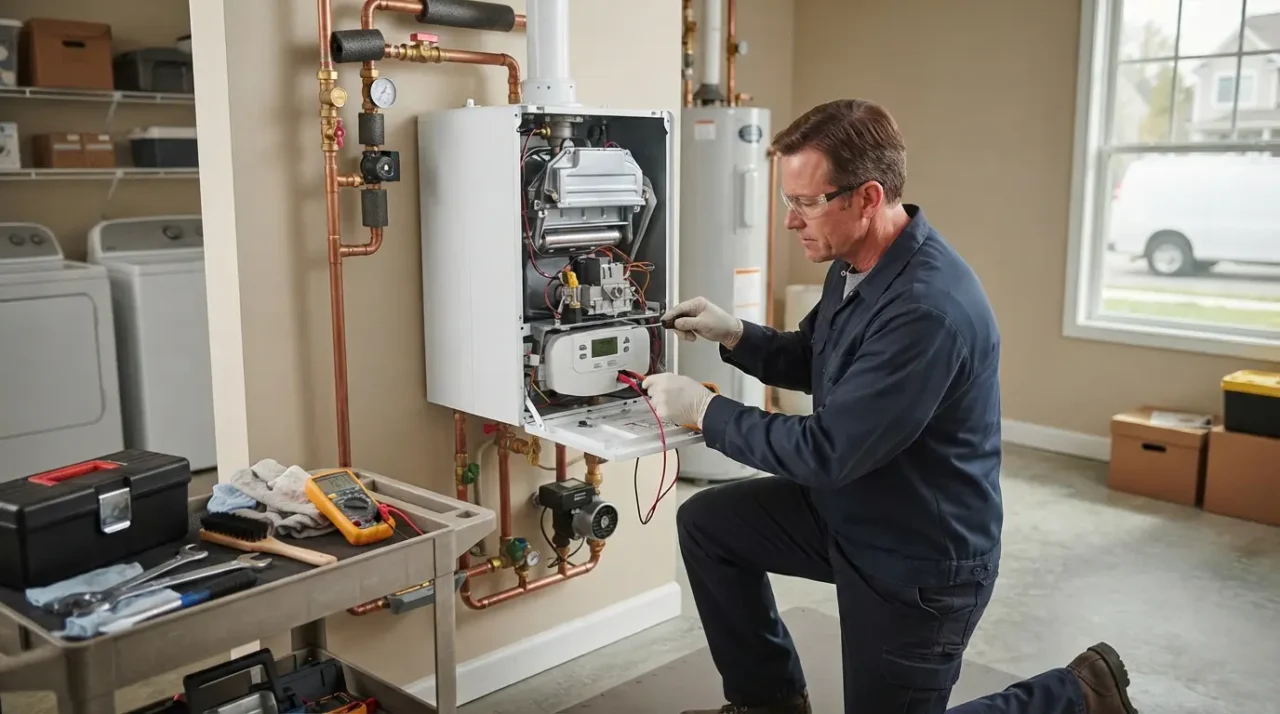
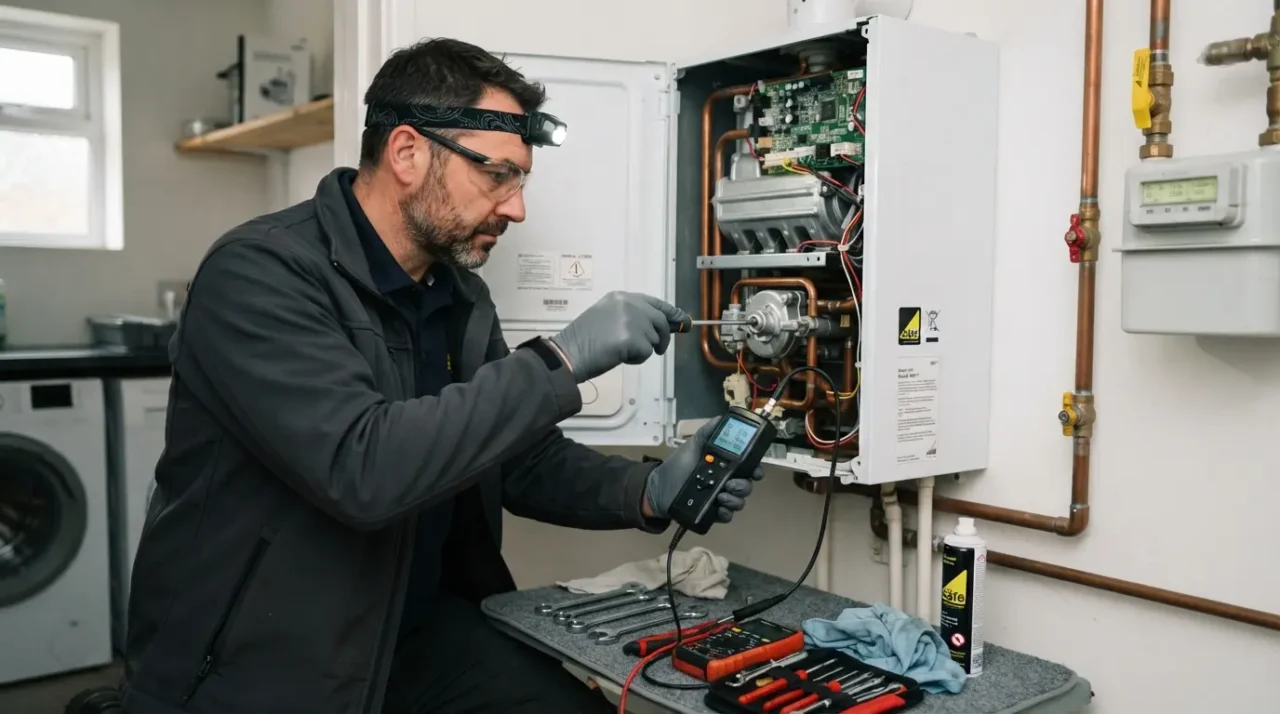
The single most effective thing you can do is book a boiler service before the cold weather arrives, ideally in early autumn. An annual service checks the pressure gauge, the flue, and the ignition sequence as standard, catching small issues before they turn into a breakdown on the coldest night of the year.
Servicing your boiler once every 12 months also keeps the manufacturer’s warranty valid on most models, and it means any developing fault, like a slow pressure drop or an early sign of a failing pump, gets caught while it’s still a simple fix rather than an emergency one.
Check Your Boiler Pressure Regularly
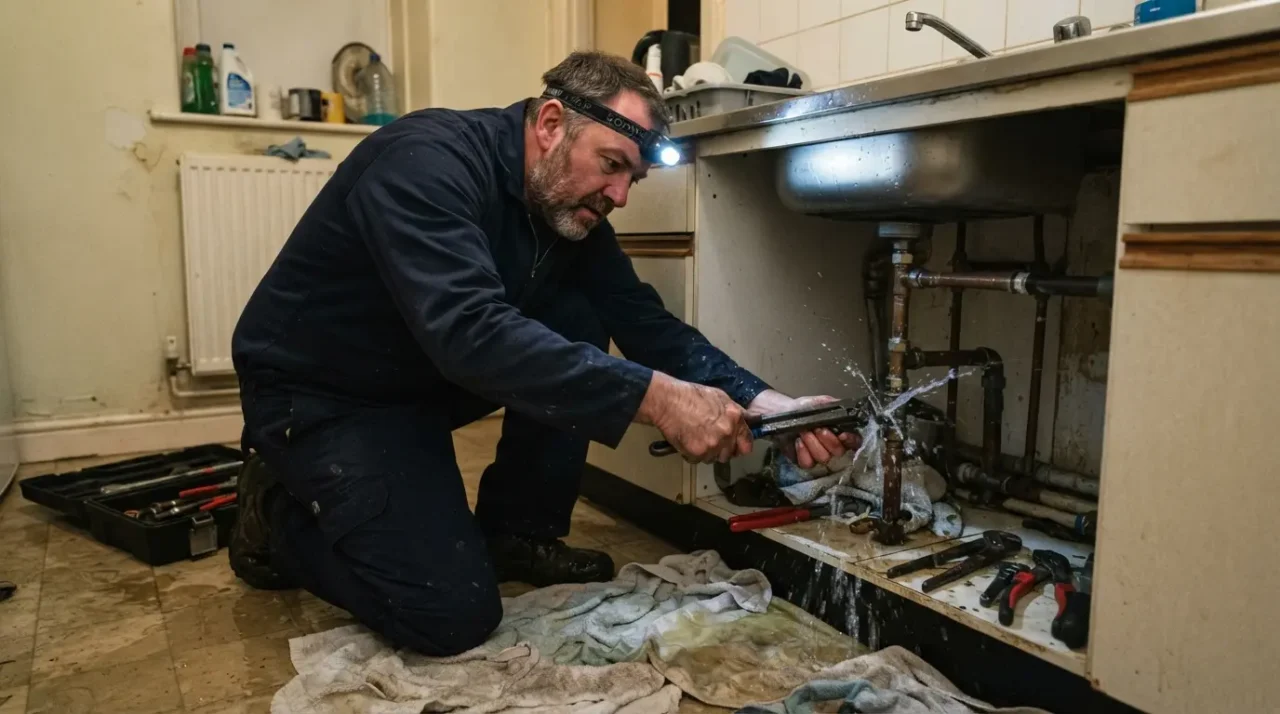
Your boiler’s pressure gauge should typically sit between 1 and 1.5 bar. Low pressure is one of the most common causes of heating loss, and while topping it up yourself via the filling loop is usually straightforward, pressure that keeps dropping points to a small leak somewhere in the system, often at a radiator valve or a pipe joint. That’s not something to keep topping up indefinitely. It needs a proper look from an engineer before it causes a bigger problem mid-winter.
Bleed Your Radiators
If your radiators are cold at the top but warm at the bottom, that’s usually trapped air, and bleeding them yourself is a simple job with a radiator key. If the opposite is true, warm at the top but cold at the bottom, that points to sludge build up inside the system rather than air, and bleeding won’t fix it. In that case, a power flush clears the built up debris and restores proper circulation, which also helps your boiler run more efficiently rather than working harder than it needs to.
Insulate Exposed Pipework
This is one of the simplest, cheapest steps, and one of the most overlooked. Insulating pipework in lofts, garages, and under sinks with basic pipe lagging protects it from freezing during a cold snap. Pay particular attention to your condensate pipe, the small plastic pipe that carries waste water from the boiler, usually routed externally through an outside wall. A frozen condensate pipe is, by far, the most common winter boiler callout we get across Glasgow. The boiler senses the blockage and shuts down as a safety measure, even though nothing else is actually wrong with it. Proper lagging on this one pipe prevents a huge number of winter breakdowns entirely.
Keep the Heating On, Even When You’re Out
It’s tempting to switch the heating off completely if you’re away or the house is empty during the day, but a consistent low setting protects your pipework far better than turning it off and on. A steady background temperature, even just enough to stop things freezing, reduces the risk of frozen pipes and a frozen condensate line considerably.
Know Your Boiler’s Fault Codes
Different boiler brands display different fault codes, and knowing roughly what yours means can save time when something does go wrong. We work regularly with Worcester Bosch, Vaillant, Baxi, and Ideal boilers across Glasgow, and each brand uses its own diagnostic system. A Worcester Bosch boiler showing an EA code points to ignition failure, for example, while a Vaillant showing F28 points to a similar fault through a different code. Noting down the exact code before you call means less time spent on diagnosis and a quicker, more accurate quote.
When to Call a Heating Engineer Instead of DIY
Some checks are safe to do yourself, but certain signs mean it’s time to stop and call a professional straight away. If you smell gas, or notice a yellow or orange flame instead of blue, that’s a safety issue, not a maintenance one. Turn off the gas at the meter if it’s safe to reach, open windows, leave the property, and call the National Gas Emergency Service on 0800 111 999 before calling us. If your boiler keeps losing pressure despite topping it up, if fault codes keep reappearing after a reset, or if you have no heating at all in freezing conditions with vulnerable people in the home, it’s time to call our emergency heating engineer line rather than wait it out.
Consider a Smart Thermostat Upgrade
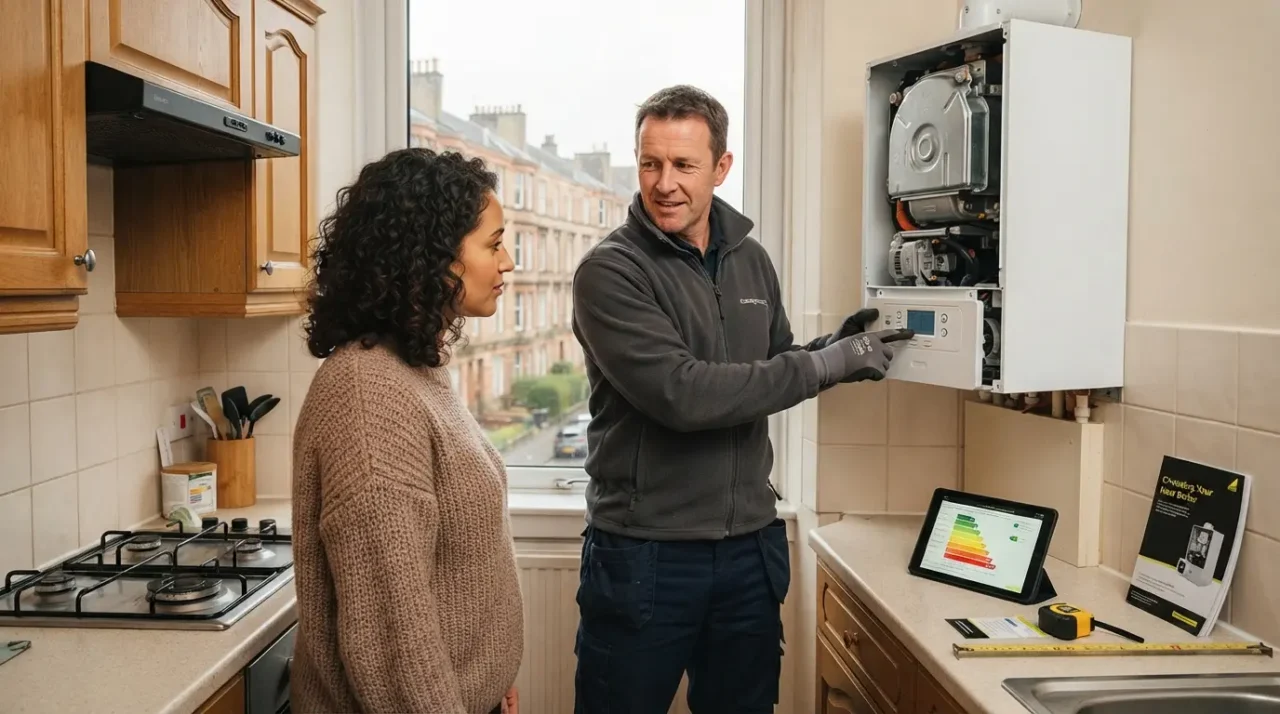
If you’re already thinking about winter prep, a thermostat installation is worth considering. Modern thermostats give you far more control over heating schedules and room by room temperatures, which not only improves comfort but can also reduce unnecessary strain on the boiler by avoiding constant on-off cycling.